TURNING DIGITAL DOLLARS INTO SPENDABLE LOCAL CURRENCY
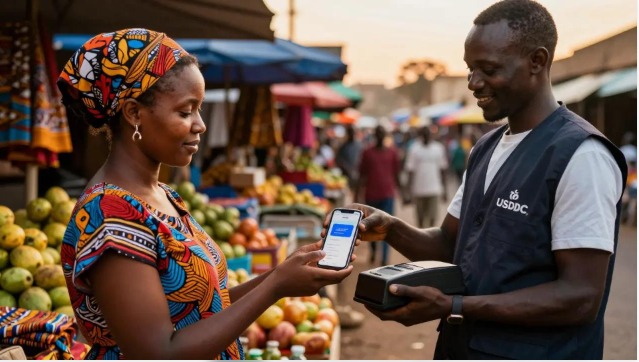
AFRICA’S STABLECOIN BOOM HAS A MISSING LINK
As stablecoin adoption expands across Africa, the real challenge is no longer simply accessing digital dollars. It is converting them into usable local currency when businesses and individuals need to transact.
Africa’s cryptocurrency market is undergoing a noticeable shift. Stablecoins, particularly dollar-pegged digital assets such as USDT and USDC, are increasingly being used for practical financial activities rather than simply for speculative trading.
A report highlighted by Chainalysis and published by ITWeb Africa on 29 October 2026 puts Sub-Saharan Africa’s cryptocurrency economy at approximately $101 billion, representing 13.4% growth. More significantly, active intra-African business payment corridors nearly doubled, increasing from 80 to 152.
These figures point to an important development: digital assets are becoming increasingly relevant to how money moves between businesses, markets and individuals across the continent.
However, behind this growth is a challenge that deserves more attention. Receiving or holding digital dollars does not automatically mean someone can use those funds to meet everyday financial obligations.
For many users, the next important step is converting digital assets into local currency.
The growing gap between receiving digital dollars and using them
Consider a Ugandan business owner who receives payment in USDT from an international client.
The payment may arrive in a digital wallet without requiring the recipient to wait for conventional banking hours. However, the business still has expenses to meet locally. It may need to pay suppliers, employees, transport costs or other operational expenses in Ugandan shillings.
This creates a practical question: how does the recipient convert the digital funds into money that can actually be used?
The same issue affects individuals receiving international payments, freelancers working with overseas clients and traders dealing with customers in different countries.
Access to stablecoins is only one part of the financial process. Reliable conversion, transparent exchange rates and the ability to access the appropriate payment channels are equally important.
WHY CONVERTING STABLECOINS INTO LOCAL CURRENCY MATTERS
The growing use of stablecoins is partly connected to the limitations of traditional international payment systems.
Businesses operating across borders may encounter delays, intermediary banking charges, currency conversion costs and restrictions relating to international transfers.
According to research published by Chainalysis in October 2026, stablecoin remittance activity in Sub-Saharan Africa has increased considerably. The report also identifies stronger integration with banks and mobile-money systems as important to making digital assets more useful.
For African markets, this is particularly relevant because mobile money has become an important part of everyday financial transactions.
A person may be comfortable receiving a digital payment but still prefer to meet their local expenses using conventional currency.
The exchange process therefore remains an important connection between the growing digital economy and everyday financial activity.
UGANDA’S POSITION IN THE CHANGING DIGITAL PAYMENT LANDSCAPE
Uganda is part of a regional financial environment where mobile money, foreign currency exchange and digital financial services play important roles.
Businesses dealing with international customers may need to consider several currencies when receiving payments or managing expenses. Meanwhile, individuals receiving funds from overseas may need access to suitable conversion options.
The developments elsewhere in Africa also demonstrate that the financial industry is beginning to look beyond individual payment platforms.
On 13 October 2026, the Bank of Ghana announced testing of cross-border payment interoperability involving central bank digital currencies, stablecoins, bank accounts and mobile wallets across Ghana–Rwanda and Ghana–Nigeria payment corridors.
The initiative reflects a wider effort to make African payments more connected and reduce dependence on complicated international settlement arrangements.
Although these are not Ugandan payment corridors, they illustrate the direction in which the continent’s financial infrastructure is developing.
For Uganda, the important consideration is how individuals and businesses can access practical, transparent and dependable exchange services as digital financial activity expands.
What should customers consider before exchanging stablecoins?
As more people interact with digital assets, choosing an exchange service requires more than looking at the advertised exchange rate.
Customers should pay attention to several important considerations.
1. Understand the exchange rate before proceeding
The amount received after an exchange should be clear before a transaction is completed. Customers should understand the applicable rate, charges and final amount payable.
2. Confirm the correct digital asset and network
USDT, for example, operates across several blockchain networks. Sending funds through an unsupported or incorrect network can result in complications or permanent loss of funds.
3. Consider the availability of local currency
Receiving stablecoins is not the same as having immediate access to Ugandan shillings. Customers should establish the available conversion arrangements before initiating a transaction.
4. Use identifiable exchange service providers
Customers should establish who they are transacting with, verify payment instructions and avoid sending funds to unknown individuals based solely on social media conversations.
5. Keep transaction records
Exchange confirmations, payment references and transaction details are useful for personal financial records and resolving any transaction-related queries.
Why the exchange market remains important
The growth of stablecoins is creating new opportunities across Africa, but it is also highlighting the importance of businesses that connect digital assets with conventional currencies.
A person may acquire USDT for an international transaction, receive it as payment or hold it for a particular financial purpose. At some point, they may need to exchange it into another currency.
This is where accessible exchange services become relevant.
At BuyCrypto Africa, customers looking to exchange cryptocurrency or foreign currency can make enquiries about available exchange services and the applicable transaction arrangements.
Whether dealing with USDT or seeking foreign currency exchange, understanding the available options before proceeding is an important part of making informed financial decisions.
The future of digital payments will not be measured only by how quickly money moves between wallets. It will also depend on how easily recipients can access and use that money within their local economies.
For individuals and businesses in Uganda, the ability to move between digital assets and conventional currencies will remain an important consideration as Africa’s financial landscape continues to develop.
BuyCrypto Africa – Your Partner in Cryptocurrency and Currency Exchange.
Disclaimer
This article is provided for general informational and educational purposes only. It does not constitute financial, investment, legal or tax advice. Cryptocurrency transactions involve risks, including price fluctuations, network errors, fraud and regulatory considerations. Customers should independently verify transaction details, applicable charges and exchange arrangements before proceeding with any transaction.
Still have questions?
Message us on WhatsApp — we reply instantly and can walk you through your exchange step by step.
Chat on WhatsApp