BANK OFUGANDA HAS SOLD $68 MILLION TO SUPPORT THE SHILLNG
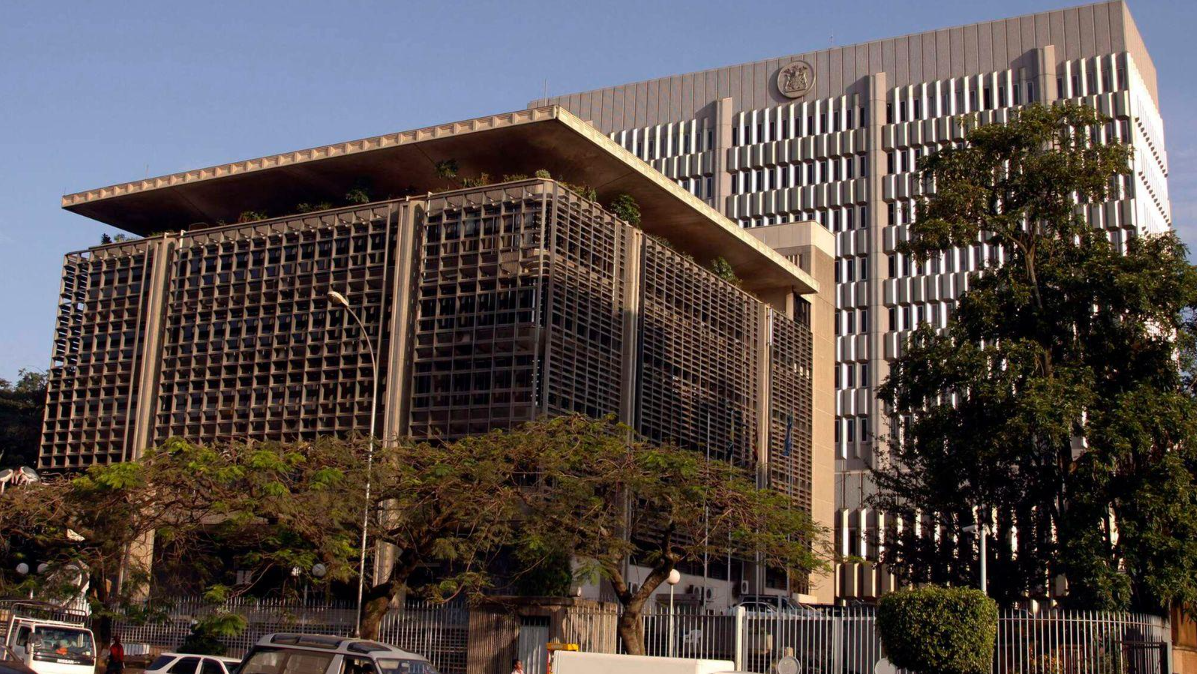
The Ugandan shilling has had a difficult few weeks, and the Bank of Uganda has stepped in to ease some of the pressure.
According to a report published by New Vision, Bank of Uganda Governor Michael Atingi-Ego revealed that the Central Bank had sold approximately $68 million (about Sh278 billion) in the foreign exchange market to help stabilise the shilling.
The intervention comes after the local currency weakened to around UGX 4,500 against the US dollar last month. By early November, it had recovered to approximately UGX 4,050.
That is a considerable movement in a relatively short period.
But the Governor made another point that businesses and investors should pay attention to: selling dollars into the market can provide temporary relief, but it does not solve the underlying reasons why the shilling is under pressure.
WHY DID THE BANK OF UGANDA HAVE TO STEP IN?
When businesses and individuals need more dollars than the market can comfortably supply, pressure builds on the exchange rate.
Importers need dollars to pay overseas suppliers. Companies with foreign currency obligations also need to meet their payments, while other market participants may want to hold dollars during periods of uncertainty.
When demand becomes stronger than available supply, the shilling can lose value against the dollar.
The Bank of Uganda can intervene by selling some of its foreign currency reserves to increase the supply of dollars in the market and help reduce excessive movements in the exchange rate.
That is what happened recently.
However, Atingi-Ego was clear that the Central Bank cannot keep solving the problem simply by selling more dollars.
In his remarks on November 9, he explained that lasting stability depends on improving Uganda’s ability to earn foreign currency through production and exports.
In other words, Uganda needs to earn more dollars, not just spend its reserves trying to support the shilling.
THERE IS ANOTHER CONCERN: INFLATION IS RISING
The exchange rate is not the only issue worth watching.
New Vision also reported that Uganda’s headline inflation increased to 5.8% in October, up from 4.6% in September. Core inflation also rose from 3.7% to 4.4%.
This matters because currency movements and inflation can affect businesses at the same time.
A company importing products may find that the cost of purchasing goods increases when the shilling weakens. If those higher costs are passed on to customers, the prices people pay can also increase.
For households, this can affect everyday spending. For businesses, it can reduce profit margins and make financial planning more difficult.
WHAT DOES THIS MEAN FOR BUSINESSES DEALING IN DOLLARS?
Consider a Ugandan business that needs $10,000 to pay an overseas supplier.
At an exchange rate of UGX 4,050 per dollar, the payment would require approximately UGX 40.5 million.
At UGX 4,500 per dollar, the same payment would cost UGX 45 million.
That is a difference of UGX 4.5 million for exactly the same dollar obligation.
This is why businesses involved in international trade cannot afford to ignore exchange rate movements.
It is also important for companies receiving money from international clients, paying foreign suppliers or managing dollar-denominated expenses.
AND WHAT ABOUT USDT TRADERS?
The development is worth watching in Uganda’s cryptocurrency market too.
USDT is designed to maintain a value close to one US dollar. Consequently, movements in the dollar against the shilling can influence its local-currency trading price.
When the shilling weakens, buyers may need more UGX to acquire the same amount of USDT. When the shilling strengthens, the local-currency cost may fall.
However, USDT quotations also depend on local supply, demand, liquidity and the difference between buying and selling prices.
For people exchanging USDT, this means that following the Bank of Uganda’s foreign exchange developments can provide useful context when comparing market quotations.
CAN THE SHILLING REMAIN STABLE?
That is probably the bigger question.
The Bank of Uganda has maintained its Central Bank Rate at 12%, following the emergency increase from 9.75% in October.
The higher rate is part of the bank’s effort to manage economic and currency pressures.
But the Governor’s comments suggest that monetary policy alone will not deliver lasting currency stability.
Uganda needs stronger exports, more local production and greater value addition to the goods it sells internationally.
If the country continues to depend heavily on imported products while its foreign currency earnings remain under pressure, the shilling may continue facing challenges.
For businesses, investors and people dealing in foreign currencies, this is a development worth following beyond the current recovery.
The $68 million intervention may have helped ease immediate pressure, but Uganda’s long-term currency stability will depend on how much foreign currency the economy can generate for itself.
At Buy Crypto Uganda, we believe that understanding movements in the traditional foreign exchange market is just as important as following cryptocurrency prices. Both can influence the decisions people make when buying, selling and exchanging digital assets.
Source: New Vision, 10 November 2026 – Bank of Uganda sold $68 million to steady the shilling, says Atingi-Ego.
Still have questions?
Message us on WhatsApp — we reply instantly and can walk you through your exchange step by step.
Chat on WhatsApp