The Dollar, US Treasury Yields and Bitcoin
Global Market Analysis | 24 November 2026
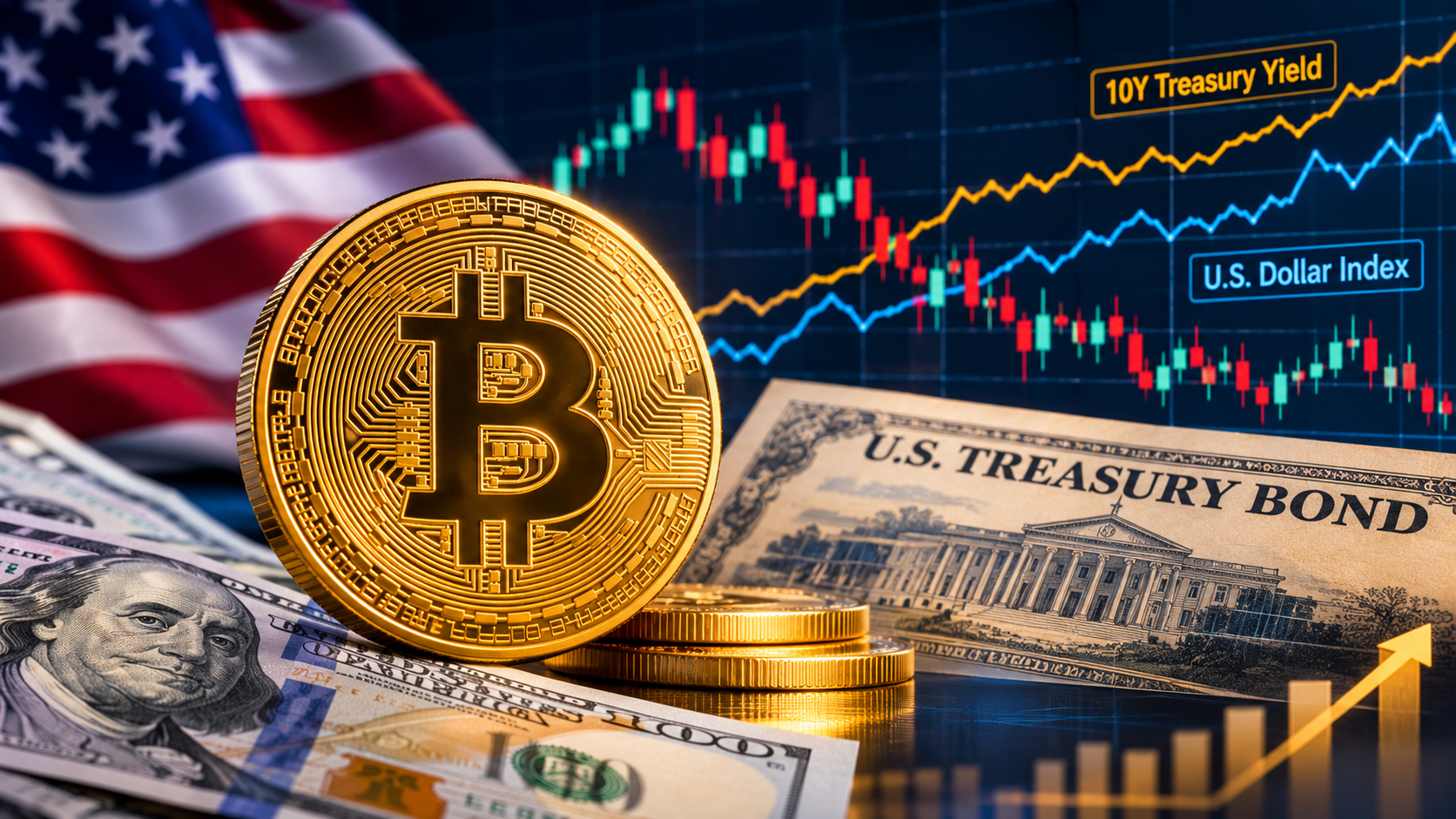
Bitcoin is often discussed as an independent financial asset, but its performance is closely watched alongside developments in traditional financial markets. Movements in the US dollar, government bond yields and Federal Reserve interest-rate expectations can all influence how investors approach cryptocurrency.
These connections have become particularly relevant in November 2026, as financial markets reassess the direction of US monetary policy and the strength of the dollar.
For cryptocurrency buyers and sellers in Uganda, understanding these relationships is important. Global financial developments can influence Bitcoin’s international price, the value of dollar-denominated digital assets and, ultimately, the amount received when cryptocurrency is exchanged into Ugandan shillings.
The US dollar is more than just a currency
The US dollar plays a central role in international trade, investment and financial markets. It is also the main pricing currency for major cryptocurrency trading pairs, including BTC/USD.
When the dollar strengthens against other major currencies, investors outside the United States may find dollar-priced assets more expensive in their own currencies.
This can affect demand for assets such as Bitcoin, particularly when investors are already cautious about taking additional financial risks.
The US Dollar Index (DXY) is one of the indicators used to monitor the dollar’s performance against a basket of major international currencies.
On November 24, the dollar retreated, with the index falling approximately 0.52% to 103.76 after recent gains. Investors were reassessing whether the currency’s earlier rally had moved too far, while also considering the implications of US economic growth and expectations of further interest-rate increases.
The movement illustrates an important point: the dollar does not move in one direction indefinitely. Market expectations can change quickly, and cryptocurrency investors need to understand what is driving those changes rather than assuming that every dollar rally will produce the same Bitcoin response.
Why US Treasury yields matter to cryptocurrency
US Treasury securities are debt instruments issued by the American government. Investors purchase these securities in exchange for interest payments or returns associated with their market prices and maturity.
The 10-year US Treasury yield is one of the most closely followed indicators in global financial markets.
It reflects several factors, including expectations about inflation, economic growth, government borrowing and the future direction of interest rates.
Why should someone trading Bitcoin in Uganda care about a US government bond?
The answer is investment competition.
When Treasury yields rise, investors may find government securities more attractive because they offer returns without the same price volatility associated with cryptocurrencies.
This can make investors more selective about allocating capital to assets such as Bitcoin, especially when the perceived reward does not adequately compensate for the risk.
However, the relationship is not automatic. Bitcoin can rise even when Treasury yields are elevated if demand for cryptocurrency is strong enough or investors expect improving economic conditions.
The direction of yields, the reason they are moving and the wider market environment all matter.
As of November 23, the US 10-year Treasury yield stood at approximately 4.92%, having declined by around 20 basis points over the preceding week. This shows why it is important to distinguish between longer-term interest-rate concerns and short-term movements in bond markets.
How Federal Reserve decisions influence Bitcoin
The Federal Reserve, the central bank of the United States, has a significant influence on global financial conditions.
Its decisions about interest rates affect borrowing costs, investment returns, currency markets and expectations about the availability of money in the financial system.
When interest rates are expected to increase, investors may anticipate higher returns from interest-bearing assets. This can put pressure on riskier investments, including cryptocurrencies.
When interest rates are expected to fall, the opposite may occur. Lower borrowing costs and expectations of easier financial conditions can encourage investors to consider assets with greater potential returns.
However, there is an important distinction between an actual rate decision and what financial markets expect.
Bitcoin prices can react before the Federal Reserve announces a policy change because investors continuously adjust their positions based on economic data, inflation reports, employment figures and statements from policymakers.
On November 24, market reporting indicated that interest-rate futures were pricing in a high probability of a December rate increase. This expectation contributed to the debate surrounding the dollar, bond yields and risk-sensitive assets.
For cryptocurrency investors, the lesson is that monitoring Federal Reserve announcements alone is not enough. Understanding what markets expect before those announcements can be equally important.
Why a stronger dollar does not always mean Bitcoin must fall
One of the most common oversimplifications in financial commentary is the assumption that Bitcoin always falls when the dollar rises.
Although the two have often demonstrated an inverse relationship, that relationship is neither permanent nor guaranteed.
Bitcoin is influenced by several independent and interconnected forces, including:
- Institutional investment and ETF flows.
- Cryptocurrency exchange trading activity.
- Global liquidity conditions.
- Investor confidence and market sentiment.
- Regulatory developments.
- Adoption of digital assets.
- Demand for alternative financial products.
For example, strong institutional buying can support Bitcoin even when the dollar is performing well.
Likewise, Bitcoin can decline during a period of dollar weakness if investors are reducing exposure to cryptocurrency for other reasons.
A useful way to understand this relationship is to look at the dollar as one part of the wider financial environment rather than a direct indicator of Bitcoin’s next price movement.
The same applies to Treasury yields. Higher yields can create competition for cryptocurrency investment, but they do not determine the market’s direction on their own.
What these developments mean for Uganda’s cryptocurrency market
International financial developments do not remain confined to Wall Street.
Ugandan cryptocurrency buyers and sellers participate in a market where major digital assets are valued against international currencies, particularly the US dollar.
This creates two important considerations when exchanging cryptocurrency locally.
First, the international market price of the digital asset matters. A change in Bitcoin’s dollar value can affect the amount a seller receives when converting their holdings.
Second, the USD/UGX exchange rate influences the local-currency value of dollar-denominated transactions.
For example, a seller converting a dollar-denominated cryptocurrency amount into Ugandan shillings may receive a different local-currency amount even if the international dollar value of the transaction remains unchanged.
The final amount can also depend on the exchange provider’s quoted rate, transaction charges and the terms agreed before the transaction is completed.
This is particularly relevant for people who regularly buy or sell USDT, Bitcoin and other supported digital assets.
USDT is designed to maintain a value close to one US dollar, but its local exchange value can still vary depending on market demand, available liquidity and the applicable conversion rate.
Consequently, a stablecoin’s dollar-denominated value and the amount a Ugandan user receives in shillings are two different considerations.
Three indicators cryptocurrency investors should monitor
Investors who want to understand the relationship between traditional financial markets and cryptocurrency should pay attention to three indicators.
1. The US Dollar Index
The DXY provides an indication of how the dollar is performing against a basket of major currencies. A sustained rise may indicate stronger demand for the dollar, although the reasons behind the movement are important.
2. The 10-year US Treasury yield
This benchmark helps investors assess changing expectations about inflation, economic growth and long-term borrowing costs. Significant movements can influence the attractiveness of different asset classes.
3. Federal Reserve interest-rate expectations
Markets regularly adjust their expectations about future monetary policy. These expectations can influence the dollar, Treasury yields and cryptocurrency prices before official decisions are announced.
These indicators should be considered alongside cryptocurrency-specific information, including Bitcoin ETF flows, trading volumes and stablecoin activity.
No single indicator can reliably predict Bitcoin’s next movement.
The bigger picture: Cryptocurrency is connected to the global economy
The growing participation of institutional investors in cryptocurrency markets has strengthened the connection between digital assets and traditional finance.
Bitcoin is no longer discussed only within cryptocurrency trading communities. Its movements are increasingly considered alongside equity markets, government bonds, currency performance and central bank policy.
For Ugandan buyers and sellers, this makes financial awareness increasingly valuable.
Someone exchanging cryptocurrency does not necessarily need to become an expert in international bond markets. However, understanding why the dollar moves, what Treasury yields represent and how interest-rate expectations influence investor behaviour can provide useful context when assessing market conditions.
Before completing an exchange, customers should always confirm the applicable cryptocurrency rate, the final payout amount, transaction charges and the expected payment method.
At BuyCrypto Africa, customers can explore available cryptocurrency exchange services and check applicable rates when buying or selling supported digital assets.
Visit https://buycryptoafrica.com to learn more about the available exchange services.
Conclusion
The relationship between the US dollar, Treasury yields and Bitcoin demonstrates how closely cryptocurrency markets are connected to the wider financial system.
A stronger dollar, changing bond yields or expectations of higher interest rates can influence investor appetite for digital assets. However, these relationships are not fixed, and Bitcoin’s performance continues to depend on several market-specific factors.
For Ugandan cryptocurrency users, understanding these connections provides a broader perspective on international market movements and their possible implications for local exchange transactions.
The most informed decisions come from considering the wider financial picture rather than reacting to a single market headline.
Disclaimer: This article is intended for general informational and educational purposes only. It does not constitute financial, investment or trading advice. Cryptocurrency prices are volatile, and relationships between currencies, bond yields and digital assets can change. Readers should conduct independent research and consider their financial circumstances before making cryptocurrency transactions.
Still have questions?
Message us on WhatsApp — we reply instantly and can walk you through your exchange step by step.
Chat on WhatsApp