The falling Ugandan shilling
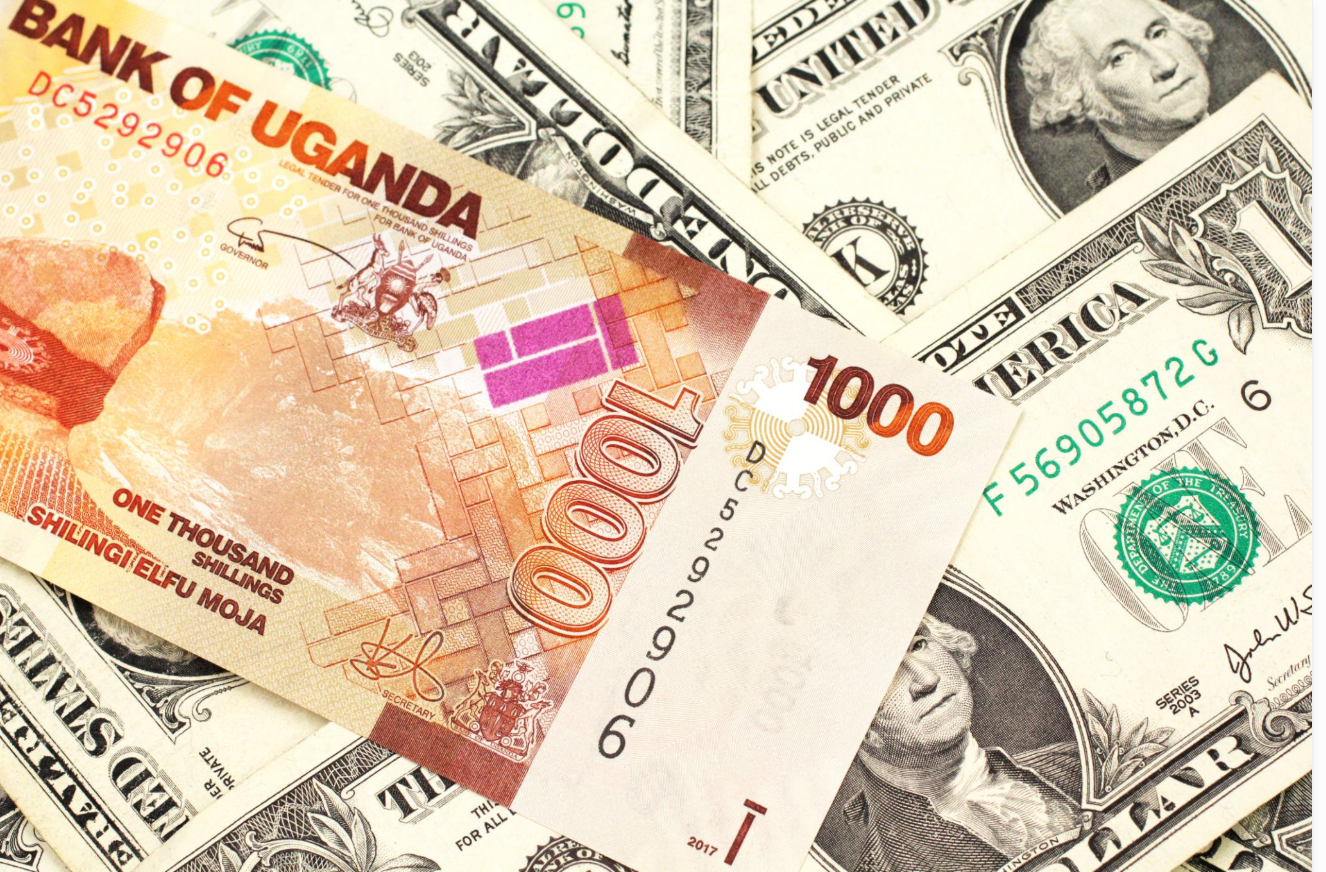
Ugandan Shilling Depreciation: Why the Dollar Is Rising and What It Means for Uganda
The Ugandan shilling has come under renewed pressure against the US dollar, raising concerns for households, businesses, investors and anyone who depends on foreign currency.
For many Ugandans, a rising dollar may seem like a problem that only affects people travelling abroad or importing goods. In reality, exchange rate movements can influence the cost of everyday products, business operations, investment decisions and the value of money held in different currencies.
So, why is the shilling weakening, and what does it mean for people living and doing business in Uganda?
What Is Happening to the Ugandan Shilling?
The shilling has recently weakened beyond the UGX 4,000-per-dollar level, with market quotations moving higher during October 2026.
Reuters reported on 22 October that the shilling was trading around UGX 4,250–4,260 per US dollar, compared with approximately UGX 4,045–4,055 a week earlier. Actual rates vary by bank, forex bureau, transaction size and buying or selling direction.
The movement means that people and businesses need more Ugandan shillings to purchase the same amount of US dollars.
For example, if the exchange rate moves from UGX 4,000 to UGX 4,250 per dollar, buying USD 1,000 costs an additional UGX 250,000 before fees and other charges.
This is why exchange rate changes matter even to people who do not trade currencies directly.
WHY IS THE SHILLING DEPRECIATING?
Currency movements rarely have one single cause. Several factors can put pressure on the shilling at the same time.
1. Strong demand for US dollars
Ugandan businesses need foreign currency to pay for imported fuel, machinery, raw materials, vehicles and other products.
When many businesses seek dollars at the same time, demand can rise faster than the available supply, putting pressure on the exchange rate.
2. Higher international energy costs
Fuel imports create a significant need for foreign currency. When international energy costs rise, importers may require more dollars to pay for the same or more expensive supplies.
These costs can affect transport, production and the prices of goods across the economy.
3. Seasonal import demand
Businesses sometimes purchase foreign currency ahead of periods when they expect higher sales or increased import activity.
When companies bring forward their dollar purchases, this can add pressure to the market, particularly when many importers are doing the same thing.
4. Movements in global financial markets
Changes in international interest rates, investor confidence and demand for US dollar assets can influence currency flows.
When investors prefer dollar-denominated assets, some may reduce exposure to emerging-market investments, adding pressure to local currencies.
The effects on Uganda depend on both international developments and domestic economic conditions.
HOW DOES A WEAK SHILLING AFFECT ORDINARY UGANDANS?
The effects extend beyond the foreign exchange market.
The cost of imported goods
When the dollar becomes more expensive, importers may pay more in local currency for products priced in dollars.
Depending on contracts, stock levels and competition, these additional costs may eventually be passed on to customers.
This can affect imported electronics, machinery, vehicle parts, fuel and other products.
Transport and business expenses
Higher fuel and imported input costs can raise operating expenses for transport companies, manufacturers and other businesses.
The eventual impact on prices depends on how much of the additional cost businesses absorb and how much they pass on.
Education, travel and international payments
Families paying tuition abroad, people booking international travel and businesses settling overseas invoices may need more shillings to meet the same dollar-denominated obligation.
Planning these payments in advance can help people understand their exposure to exchange rate changes.
Savings and purchasing power
A weaker currency can reduce the amount of foreign goods and services that a fixed amount of UGX can purchase.
However, the effect on an individual’s savings depends on the currencies held, their spending needs, inflation and other financial circumstances.
WHAT DOES DEPRECIATION MEAN FOR BUSINESSES?
For import-dependent businesses, currency depreciation can reduce profit margins if selling prices do not rise enough to cover higher costs.
Consider a business that must pay a supplier USD 10,000.
At UGX 4,000 per dollar, the payment is UGX 40 million. At UGX 4,250, the same invoice costs UGX 42.5 million.
That is an additional UGX 2.5 million before transaction fees.
Businesses with foreign currency income may have a different experience. An exporter receiving dollars and converting them into shillings could receive more UGX for the same dollar amount, although production costs and other factors still matter.
The impact therefore depends on whether a business earns foreign currency, spends it, or does both.
WHAT IS THE BANK OF UGANDA DOING?
The Bank of Uganda has responded to recent currency pressure through monetary policy measures. On 22 October, Reuters reported that the central bank had also begun selling foreign currency in the market to support the shilling.
Such actions can influence market liquidity and exchange rate conditions, but they do not guarantee that the shilling will immediately return to a particular level.
Currency movements remain dependent on foreign exchange supply and demand, capital flows, import requirements and broader economic conditions.
WHATSHOULD UGANDANS CONSIDER DURING VOLATILITY?
Rather than assuming the dollar will continue rising or that the shilling will quickly recover, households and businesses can take practical steps.
- Budget for international payments using realistic exchange rate scenarios.
- Compare actual bank and forex bureau quotations, including fees and buying-selling spreads.
- Avoid committing to foreign currency expenses without understanding the total UGX cost.
- Review the currency in which future business obligations and income are denominated.
- Be cautious about making financial decisions based solely on predictions of exchange rate movements.
For investors, it is equally important to understand how currency changes affect the original cost and eventual value of an investment.
Final Thoughts
The depreciation of the Ugandan shilling is not simply a story about a rising dollar. It is a development with implications for business costs, household budgets, international payments and investment decisions.
Understanding the reasons behind currency movements can help Ugandans prepare for changing costs and make more informed financial decisions.
At Buy Crypto Africa, we believe that understanding the relationship between traditional currencies and digital assets is an important part of navigating Uganda’s changing financial landscape.
Disclaimer: This article is for educational and informational purposes only and does not constitute financial or investment advice. Exchange rates fluctuate, and actual transaction rates may differ from reported market quotations.
Still have questions?
Message us on WhatsApp — we reply instantly and can walk you through your exchange step by step.
Chat on WhatsApp